Are you looking to change your habits, build muscle mass and improve your performance? A plant-based dietitian can help you get more out of your workouts.

There is so much confusing information about sports nutrition online. Get help from a dietitian who focuses on plant-based nutrition and athletic performance.
Get direction and what to change in your macronutrients, micronutrients, supplements, and vitamins & minerals.

Get the encouragement you need to overcome challenges by speaking with a plant-based dietitian. Your confidence and ability to maintain new habits will grow as a result of this over time.
What to expect in your sessions:
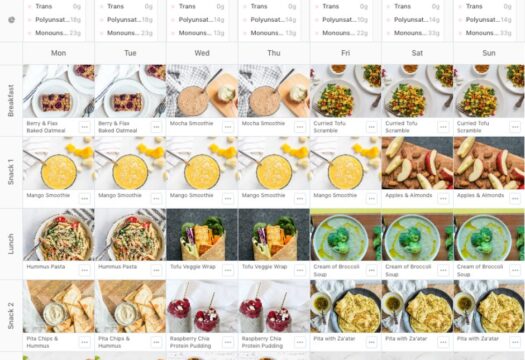
We use top of the line software with over 4000 easy and tasty recipes created by dietitians. We determine the nutrients and vitamins you need. All you have to do is select your favorite recipes and your grocery list will be ready for the week!
Learn more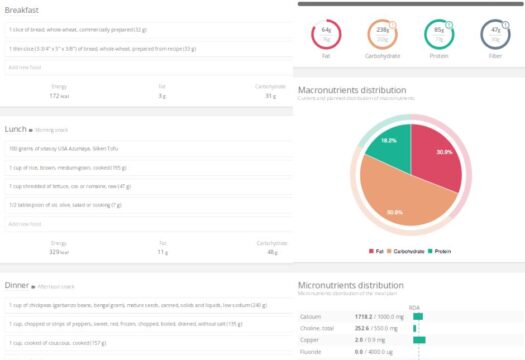
This type of macronutrient plan is perfect for people who want something simple. We also use this high performing meal plan tool to assess what needs improvement. It’s also a great plan for people who have trouble structuring their day.
Learn More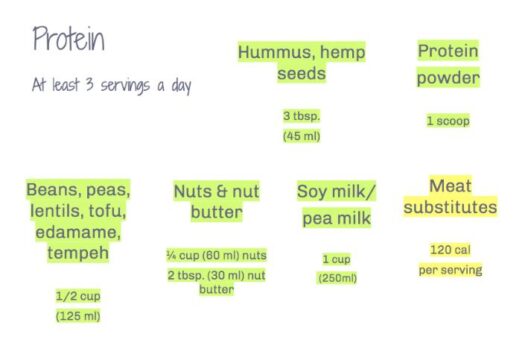
Find out how many servings and food groups you need in your day to reach your goal. It’s a great tool for people who struggle or don’t want to follow a strict plan. We’ll simplify your vegetarian/vegan diet by giving you custom portions in a day.
Learn More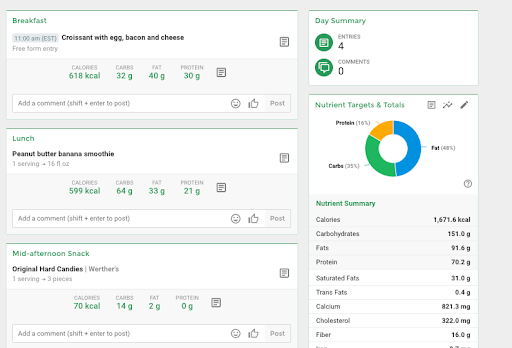
If you are someone who is more number oriented, our application will allow you to analyze your macronutrients and micronutrients. The dietitian can give you concrete feedback on what needs to be improved to reach your goal.
Learn More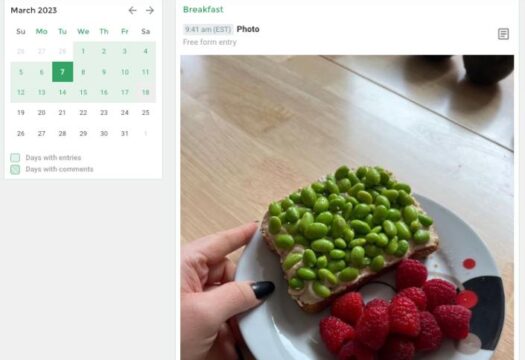
If you are struggling with your relationship with food or eating emotionally, this picture & mood food journal is also a great tool that we can use to analyze your habits. It’s also a great tool for people who do not like calorie tracking.
Learn More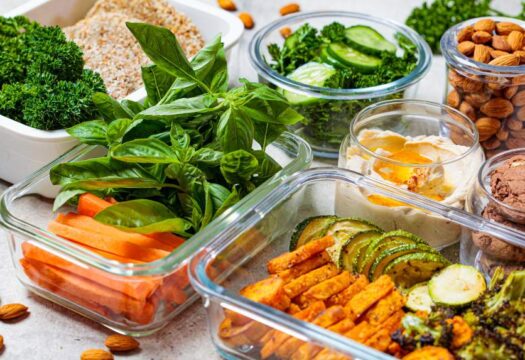
We can help you make changes quickly and effortlessly.
Setting expectations & goals
Analysis of your medical history (required)
Analysis of intake
Building a strategy
Practical tips, recommendations & recipes
Answering any questions
x Personalized meal plan or menu
Book now
Setting expectations & goals
Analysis of your medical history (required)
Analysis of intake
Building a strategy
Practical tips, recommendations & recipes
Answering any questions
Personalized meal plan or menu
Learn More
Customizable Packages
5% discount on 1-month packages
10% discount on 2-month packages
20% discount on 3-month packages
Meal plan included
Hours & half hours available
Book a free discovery call for details
Learn more
Identify what needs modification
Meal plan creation or adjustment
New subjects – See service pages
Set goals for the coming week(s)
Identify what needs modification
Meal plan adjustments
X New subjects – See service pages
Set goals for the coming week(s)
A vegan sports dietician would advise athletes to eat a range of protein-rich foods at each meal. For instance, beans, nuts, legumes, whole grains, and soy products are some fantastic options.
For optimal athletic performance, a well-balanced plant-based diet can supply all the nutrients required. To optimise your diet with a vegan sports meal plan, speak with a vegan sports nutritionist.
Vegan athletes should take a supplement or eat B12-fortified foods to receive enough B12 (e.g., nutritional yeast and plant-based milks).
Second, because it is not as well absorbed, a vegan sports nutritionist advises vegans to consume approximately twice as much iron. Thus, try incorporating soy products, grain products with added iron, lentils, and dried apricots into your vegan diet.
A vegan diet that promotes muscle growth is entirely feasible, despite initially appearing to be difficult. With the help of vegan sports nutritionists or strategic food management, one can ensure appropriate calorie and nutrient intake that is essential for healthy weight gain.
Including beans and legumes (pinto beans, kidney beans), almonds, seeds (hemp, flax), soy products, whole grains, and nuts/nut butters in a vegan weightlifter’s diet could prove to be a good strategy.
The idea that you need animal-based proteins in order to grow muscle mass is untrue. Consult a vegan sports nutritionist before making the switch to ensure you are still getting the nutrition you need.
Furthermore, adopting a vegan diet has additional health advantages, including better glycemic regulation and cardiovascular health.
You must ensure that you are eating 500 more calories each day in addition to making sure you get your recommended daily protein intake. This will give your body the energy it needs to increase the growth of your muscles.
Large studies have shown that there is no difference in total or free testosterone levels between meat eaters and vegans.
Other research has indicated that long-term vegetarian men tend to have higher levels of total testosterone.
Because of its significance for bone health and muscle mass, testosterone may be a worry for bodybuilders. Fortunately, a vegan diet contains lots of nutrients that increase testosterone, like leafy green vegetables and plant-based milks with added vitamin D.
Eating carbs along with protein-rich diets is crucial for maximizing muscle building. Since they are the main source of fuel, carbohydrates help preserve muscle.
30 minutes after working out, a vegan sports dietician advises having a snack like an apple lentil salad or black bean and sweet potato chilli.
You can optimise muscle building by strategizing your food plans with the aid of a vegan sports nutritionist depending on your preferences and needs. A reasonable goal-setting process and realistic time frame for goal completion will also be assisted by the nutritionist.
Eat a meal that is high in carbohydrates, low in fibre, and high in protein about an hour or so before engaging in physical activity. Jam on toast with a glass of soy milk or a fruit and yogurt smoothie with a muffin are a couple of options.
Moreover, vegan sports nutritionists advise eating something high in carbohydrates right after working out, like a fruit smoothie, a bowl of cereal, or a muffin.
The greatest fuel for a marathon is high GI carbohydrates since they release energy rapidly for the body to use. So, vegan sports dietitians advise consuming items like jam toast, vegan sports gel, or Gatorade (not whole grain).
Foods with a high fibre content do not give runners the quick-acting energy they require when running. Due to how long they take to digest, high-fiber diets are not recommended for runners because they may produce stomach cramps, bloating, or diarrhoea.
I advise having an easy-to-digest carbohydrate snack thirty minutes before the marathon. If it has been more than 3–4 hours since your previous meal that was high in carbohydrates, this is crucial.
Applesauce, crackers, pretzels, and white bread are a few examples.
The fact that plant-based diets are higher in antioxidants and thus more inclined to alleviate inflammation in athletes may be one of the factors contributing to this appeal.
In other words, they can lessen tiredness and muscle damage while boosting performance and aerobic capacity.
A high-carb snack 30–60 minutes before a run is advised by your plant-based sports nutritionist. An almond butter-topped banana or a little yogurt with fruit, for instance.
© All Rights Reserved, Plant-Based Dietitians 2026