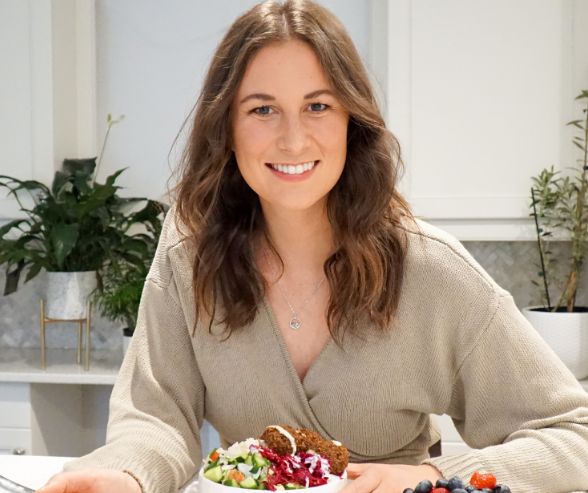
Are you looking to change your habits and improve your diet? A plant based nutritionist can help you along the way.
Save time by avoiding confusing online searches and diet myths. Get a vegan dietitian on your side and start changing your habits today!
Quit feeling overwhelmed and helpless. With the help of a vegan nutritionist, immediately identify the next step towards your goal and get the tools to get there.
Consulting a plant-based dietitian experienced in Plant-Based pregnancy & lactation will give you the support you need to overcome obstacles. Over time, this will give you the confidence and skills to maintain new habits.
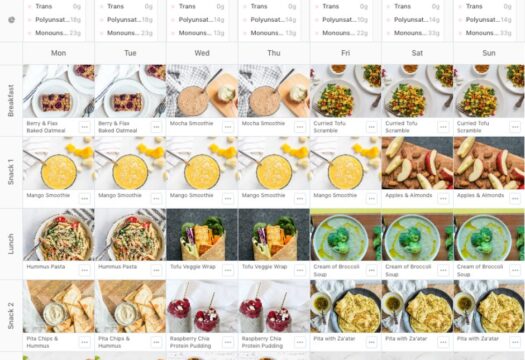
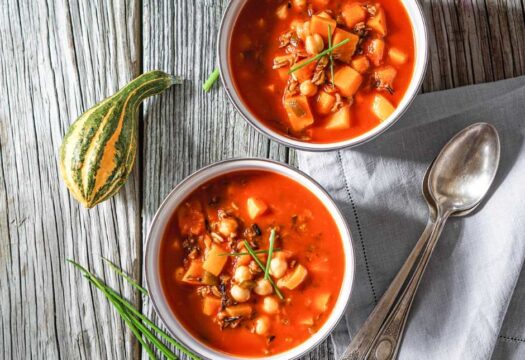
We use top of the line software with over 4000 easy and tasty recipes created by dietitians. We determine the nutrients and vitamins you need. All you have to do is select your favorite recipes and your grocery list will be ready for the week!
Learn more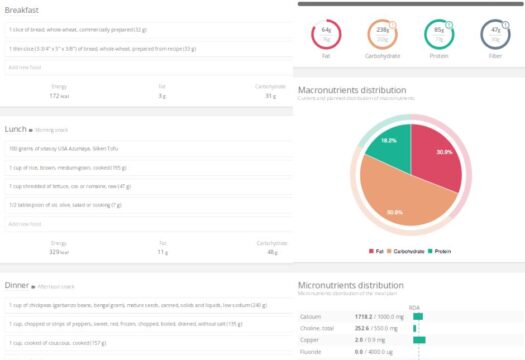
This type of macronutrient plan is perfect for people who want something simple. We also use this high performing meal plan tool to assess what needs improvement. It’s also a great plan for people who have trouble structuring their day.
Learn More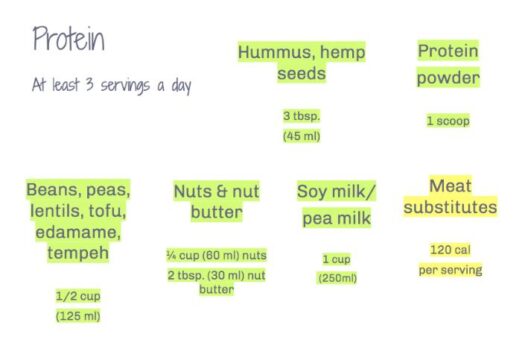
Find out how many servings and food groups you need in your day to reach your goal. It’s a great tool for people who struggle or don’t want to follow a strict plan. We’ll simplify your vegetarian/vegan diet by giving you custom portions in a day.
Learn More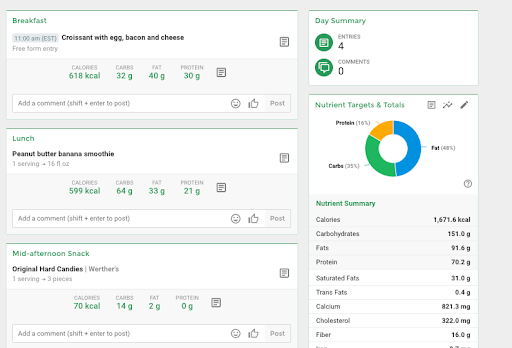
If you are someone who is more number oriented, our application will allow you to analyze your macronutrients and micronutrients. The dietitian can give you concrete feedback on what needs to be improved to reach your goal.
Learn More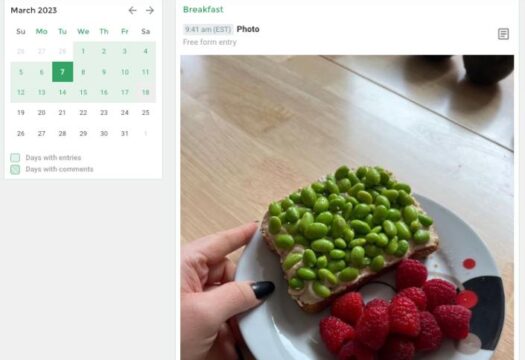
If you are struggling with your relationship with food or eating emotionally, this picture & mood food journal is also a great tool that we can use to analyze your habits. It’s also a great tool for people who do not like calorie tracking.
Learn More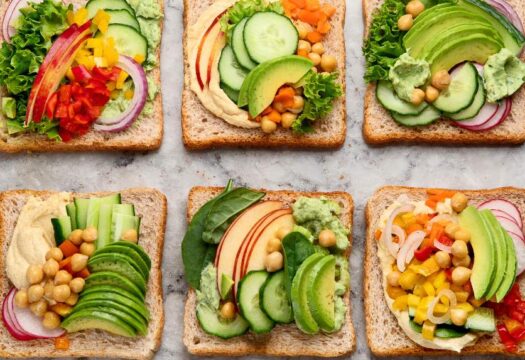
Setting expectations & goals
Analysis of your medical history (required)
Analysis of intake
Building a strategy
Practical tips, recommendations & recipes
Answering any questions
x Personalized meal plan or menu
Book now
Setting expectations & goals
Analysis of your medical history (required)
Analysis of intake
Building a strategy
Practical tips, recommendations & recipes
Answering any questions
Personalized meal plan or menu
Learn More
Customizable Packages
5% discount on 1-month packages
10% discount on 2-month packages
20% discount on 3-month packages
Meal plan included
Hours & half hours available
Book a free discovery call for details
Learn more
Identify what needs modification
Meal plan creation or adjustment
New subjects – See service pages
Set goals for the coming week(s)
Identify what needs modification
Meal plan adjustments
X New subjects – See service pages
Set goals for the coming week(s)
Indeed, if they are aware of the nutrients vegan meals give, pregnant vegans have wonderfully healthy pregnancies and babies. You will collaborate closely with a vegan dietitian to create a nourishing vegan food plan.
There isn’t any solid proof that vegetarians give birth to babies who are healthier than those who eat meat. Yet, research suggests that pregnant women who eat a well-balanced vegan diet may be protected against gestational diabetes and preeclampsia as well as lower their baby’s risk of some developmental problems. You can have a healthy pregnancy and delivery with the help of your pregnancy nutritionist.
Research have demonstrated benefits of a vegan diet during pregnancy, including reduced risk of heart disease and diabetes and assistance with boosting fertility.
Yes, it’s OK to eat soy products when pregnant. Isoflavones are organic plant substances found in soy products like miso soup, tofu, and soymilk that act as phytoestrogens by stimulating the body’s estrogen receptors.
One prevalent misconception is that isoflavones may raise the risk of cancer, particularly in postmenopausal women. However, studies have shown that these people do not have an increased risk of breast, thyroid, or uterine cancer.
No, vegan mothers do not always give birth to smaller children. There is no question that you can give birth to a baby that is a normal size if you are following a balanced, nutrient-dense vegan diet and taking your prenatal supplements. It is crucial to understand that, as long as their growth is stable, any number on the WHO growth chart between the 5th and 95th percentiles is regarded as “normal.”
Vegan mothers can effectively breastfeed. Vegan mothers are advised to meet all of their nutritional requirements throughout pregnancy, including getting enough iron, calcium, vitamin B12, and zinc to give their unborn child a balanced diet. A pregnant dietician can assist in developing a plan that will help you maximize your diet while nursing.
Iron or Vitamin B12 deficiency, which are both frequent among vegans, may have a negative effect on a woman’s ability to conceive. But a prenatal nutritionist can assist you in making the most of these nutrients in your vegan diet.
Simply maintaining a well-balanced plant-based diet will enable you to have a healthy vegan pregnancy. A nutritionist who specialises in pregnancy can help you get the vital nutrients you need.
It is not unusual for vegans to experience meat cravings during pregnancy as this can happen if your diet is low on iron or vitamin B12, or if you are not absorbing iron well enough. It is important to get your iron and vitamin B12 levels checked with your doctor to ensure you have a healthy pregnancy. Furthermore, a pregnancy nutritionist can suggest many vegan alternatives to help with your cravings.
According to a systematic review, all mothers—vegetarian, vegan, and non-vegan —produce breast milk with an equivalent nutritional value when they consume a nutritious, well-balanced diet. An individual meal plan can be created for you by a prenatal dietitian if you choose to follow a vegan diet while pregnant.
Vegan mothers can still give their babies healthy breast milk if they are getting all the nutrients they need! For a vegan breastfeeding mother, supplementation with vitamin B12, iron, zinc, calcium, and vitamin D is crucial.
Yes, almonds are the nuts with the highest linoleic acid content and are also the most lactogenic. Omega-3 fatty acids, which are also present in almonds, are crucial for maintaining the body’s hormonal balance while nursing.
While breastfeeding, a nutritionist for pregnancy advises staying away from alcohol, caffeine, some herbal supplements, and highly processed foods. You can choose vegan meals that are safe to eat during this time with the help of a pregnancy dietitian.
Since a vegan diet includes eating habits that are high in vegetables, fruits, legumes, whole grains, nuts, and lean proteins linked to lower blood pressure, it won’t raise blood pressure. But, if your hypertension is getting worse while eating a vegan diet, it is crucial to have other potential causes evaluated by a medical professional.
You can increase your lactation by eating a variety of plant-based foods like oats, fenugreek, fennel, red and orange root vegetables, seeds, avocados, and many more. It’s an excellent idea to include these in a vegan diet plan to support lactation.
According to a study from 2021, the vegan group’s total sperm count was noticeably higher than the non-vegan group’s. To further support these conclusions, larger-scale investigations must be done in the future.
While attempting to increase fertility on a plant-based diet, there are numerous nutrients to consider. A prenatal nutritionist can advise you to start taking a prenatal supplement that is right for you in addition to eating a well-balanced diet rich in fruits, vegetables, nuts & seeds, whole grains, and legumes.
Prenatal vitamins should be taken both before and during pregnancy to reduce your baby’s risk of neurological abnormalities and issues including premature birth. You can find the prenatal vitamin that works best for you with the assistance of your prenatal nutritionist.
© All Rights Reserved, Plant-Based Dietitians 2026